Cannabis as medicine

Botany

Cannabis is a genus of plants in the Cannabaceae family, and although the number of cannabis species within the genus is debatable, there are three basic species:
Botanik & Morphologie

A plant with an unmistakable trademark

Cannabis sativa originates from the equatorial zones around the world and grows up to 4-6 meters high in the heat and light of the tropics. Shorter, large-leafed Cannabis indica varieties have adapted to grow at higher altitudes. Ruderalis is short, fibrous and has a remarkable range of uses from ropes to fabrics to nutritional supplements.

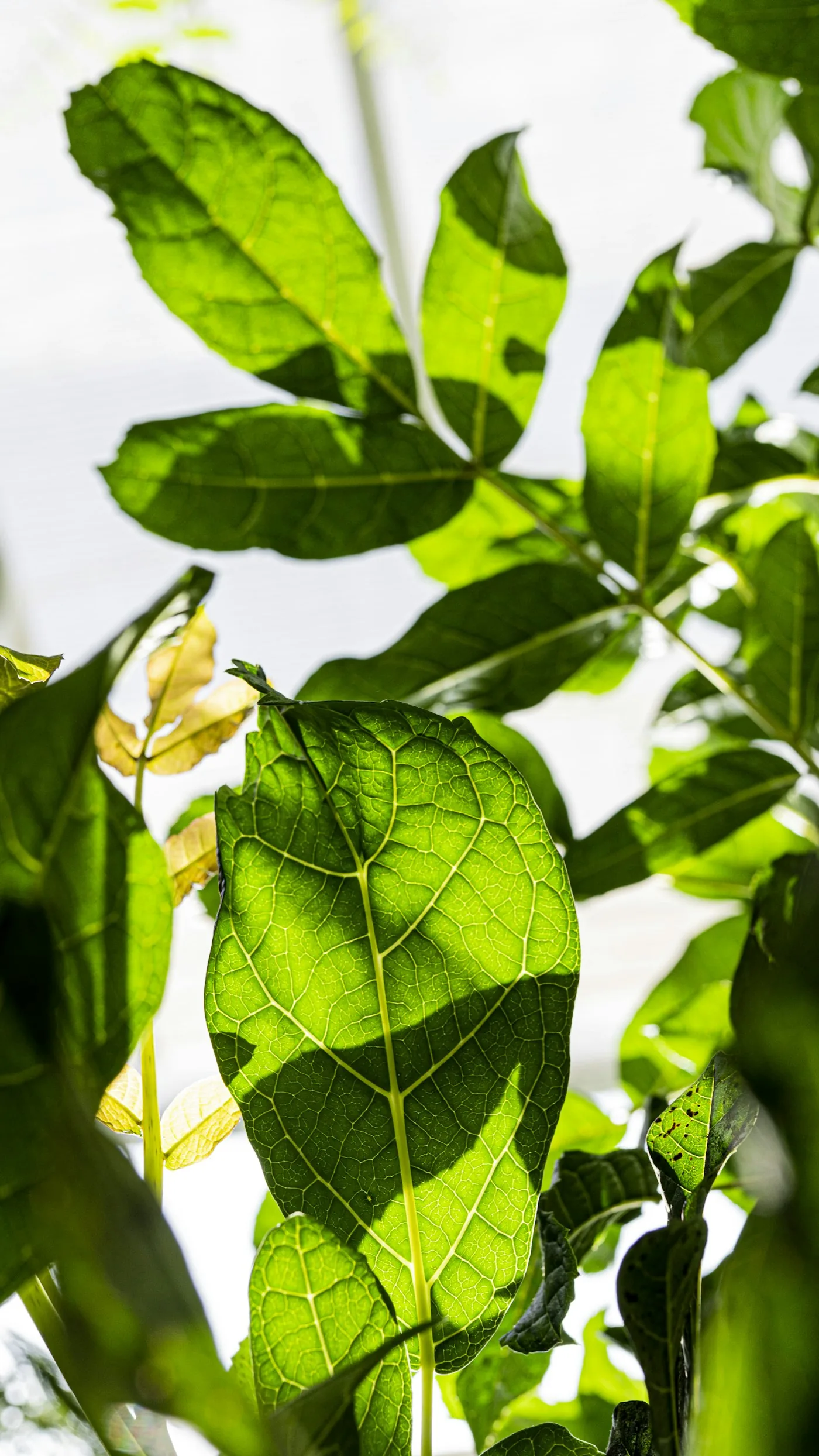
The cannabis leaf is a trademark with its serrated leaves and palm-like pattern.

Cannabis is hermaphroditic, meaning that there are both male and female plants. However, purely female or purely male plants are not uncommon. Until flowering, the sexes differ in size and shape. The female plant is shorter and has thicker foliage, the male is larger and sparsely leafed.

The flowers of cannabis develop as clusters or buds. The flowers of the male plant are loose and hang down from the plant. In the female plant, the flowers are densely covered with leaflets and stand upright in thick clusters of leaves arranged along the flowering stem.

Cannabis produces psychotropic and therapeutic compounds in the plant hairs (trichomes) found on the flowers of the female plant.

Male plants form solely filaments and produce pollen. Female plants are fertile and produce seeds that are fertilized by the wind-borne pollen.

The three basic species

Sativa, Indica and Ruderalis at a glance

Cannabis sativa

Originates from the equatorial zones around the world and grows up to 4-6 meters high in the heat and light of the tropics.

Cannabis indica

Shorter, large-leafed varieties that have adapted to grow at higher altitudes.

Cannabis ruderalis

Short, fibrous and with a remarkable range of uses from ropes to fabrics to nutritional supplements.
The growth cycle

From germination to flowering

In the natural growth cycle, the seeds germinate in the spring in the course of 3-7 days. A skinny stem topped with "seed leaves" develops and grows to about 10 cm long.

During the growing season, the lengthening days of summer stimulate the plant to sprout leaves and sprouts. As the season progresses, the light signals of the shorter days and longer light stimulate the plant to begin the cycle again.

Klassifizierung & Wirkstoffe

Why the classification of varieties matters

One species, three subspecies

Some botanists include C. ruderalis with C. sativa. In addition, all three have been classified as subspecies of a single species, C. sativa.

Key to understanding

This classification helps to understand the differences within cannabis varieties. In addition, it helps in understanding how and why their medicinal properties vary.

Targeted THC breeding

Cannabis varieties have been bred to produce varying amounts of THC, the main psychoactive ingredient. Strength of THC is increased by drying the flowers.

References

Bibliography

  1. Light, M. K., A. Orens, B. Lewandowski, and T. P. Market size and demand for marijuana in Colorado. (2014).
  2. Ilgen, M. A. et al. Characteristics of adults seeking medical marijuana certification. Drug Alcohol Depend. 132, 654–659 (2013).
  3. Boehnke, K. F., Litinas, E. & Clauw, D. J. Medical Cannabis Use Is Associated with Decreased Opiate Medication Use in a Retrospective Cross-Sectional Survey of Patients with Chronic Pain. J. Pain 17, 739–744 (2016).
  4. Whiting, P. F. et al. Cannabinoids for medical use: A systematic review and meta-analysis. JAMA - J. Am. Med. Assoc. 313, 2456–2473 (2015).
  5. Ware, M. A. et al. Smoked cannabis for chronic neuropathic pain: A randomized controlled trial. Cmaj 182, (2010).
  6. Mechtler, L. L., Gengo, F. M. & Bargnes, V. H. Cannabis and Migraine: It’s Complicated. Curr. Pain Headache Rep. 25, 1–13 (2021).
  7. Rhyne, D. N., Anderson, S. L., Gedde, M. & Borgelt, L. M. Effects of Medical Marijuana on Migraine Headache Frequency in an Adult Population. Pharmacotherapy 36, 505–510 (2016).
  8. Russo, E. Cannabis for migraine treatment: The once and future prescription? An historical and scientific review. Pain 76, 3–8 (1998).
  9. Cuttler, C., Spradlin, A., Cleveland, M. J. & Craft, R. M. Short- and Long-Term Effects of Cannabis on Headache and Migraine. J. Pain 21, 722–730 (2020).
  10. Baron, E. P. Medicinal Properties of Cannabinoids, Terpenes, and Flavonoids in Cannabis, and Benefits in Migraine, Headache, and Pain: An Update on Current Evidence and Cannabis Science. Headache 58, 1139–1186 (2018).
  11. Serpell, M. et al. A double-blind, randomized, placebo-controlled, parallel group study of THC/CBD spray in peripheral neuropathic pain treatment. Eur. J. Pain (United Kingdom) 18, 999–1012 (2014).
  12. Hoch, E. et al. How effective and safe is medical cannabis as a treatment of mental disorders? A systematic review. Eur. Arch. Psychiatry Clin. Neurosci. 269, 87–105 (2019).
  13. Bachhuber, M., Arnsten, J. H. & Wurm, G. Use of Cannabis to Relieve Pain and Promote Sleep by Customers at an Adult Use Dispensary. J. Psychoactive Drugs 51, 400–404 (2019).
  14. Shannon, S., Lewis, N., Lee, H. & Hughes, S. Cannabidiol in Anxiety and Sleep: A Large Case Series. Perm. J. 23, 18–041 (2019).
  15. Piper, B. J. et al. Substitution of medical cannabis for pharmaceutical agents for pain, anxiety, and sleep. J. Psychopharmacol. 31, 569–575 (2017).
  16. Corroon, J. M., Mischley, L. K. & Sexton, M. Cannabis as a substitute for prescription drugs - A cross-sectional study. J. Pain Res. 10, 989–998 (2017).
  17. Duran, M. et al. Preliminary efficacy and safety of an oromucosal standardized cannabis extract in chemotherapy-induced nausea and vomiting. Br. J. Clin. Pharmacol. 70, 656–663 (2010).
  18. Hernandez, S. L., Sheyner, I., Stover, K. T. & Stewart, J. T. Dronabinol Treatment of Refractory Nausea and Vomiting Related to Peritoneal Carcinomatosis. Am. J. Hosp. Palliat. Med. 32, 5–7 (2015).
  19. Merriman, A. R. & Oliak, D. A. Use of medical marijuana for treatment of severe intractable nausea after laparoscopic Roux-en-Y gastric bypass surgery. Surg. Obes. Relat. Dis. 4, 550–551 (2008).
  20. Westfall, R. E., Janssen, P. A., Lucas, P. & Capler, R. Reprint of: Survey of medicinal cannabis use among childbearing women: Patterns of its use in pregnancy and retroactive self-assessment of its efficacy against ‘morning sickness’. Complement. Ther. Clin. Pract. 15, 242–246 (2009).
  21. Gonzalez-Rosales, F. & Walsh, D. Intractable nausea and vomiting due to gastrointestinal mucosal metastases relieved by tetrahydrocannabinol (Dronabinol). J. Pain Symptom Manage. 14, 311–314 (1997).
  22. Green, S., Nathwani, D., Goldberg, D. & Kennedy, D. Nabilone as effective therapy for intractable nausea and vomiting in AIDS [letter]. Br. J. Clin. Pharmacol. 28, 494–495 (1989).
  23. Dejesus, E., Rodwick, B. M., Bowers, D., Cohen, C. J. & Pearce, D. Use of dronabinol improves appetite and reverses weight loss in HIV/AIDS-infected patients. J. Int. Assoc. Physicians AIDS Care 6, 95–100 (2007).
  24. Zutt, M., Hänßle, H., Emmert, S., Neumann, C. & Kretschmer, L. Dronabinol zur supportiven Therapie metastasierter maligner Melanome mit Lebermetastasen. Hautarzt 57, 423–427 (2006).
  25. Volicer, L., Stelly, M., Morris, J., McLaughlin, J. & Volicer, B. J. Effects of dronabinol on anorexia and disturbed behavior in patients with Alzheimer’s disease. Int. J. Geriatr. Psychiatry 12, 913–919 (1997).
  26. Cooper, R. E. et al. Cannabinoids in attention-deficit/hyperactivity disorder: a randomised-controlled trial. Eur. Neuropsychopharmacol. 26, S130 (2016).
  27. Aharonovich, E. et al. Concurrent cannabis use during treatment for comorbid ADHD and cocaine dependence: Effects on outcome. Am. J. Drug Alcohol Abuse 32, 629–635 (2006).
  28. Hupli, A. M. M. Medical Cannabis for Adult Attention Deficit Hyperactivity Disorder: Sociological Patient Case Report of Cannabinoid Therapeutics in Finland. Med. Cannabis Cannabinoids 1, 112–118 (2019).
  29. Prentiss, D., Power, R., Balmas, G., Tzuang, G. & Israelski, D. M. Patterns of Marijuana Use among Patients with HIV/AIDS Followed in a Public Health Care Setting. J. Acquir. Immune Defic. Syndr. 35, 38–45 (2004).
  30. Consroe, P. M. R. R. J. T. W. P. R. The Perceived Effects of Smoked Cannabis on Patients with Multiple Sclerosis. Eur. Neurol. (1997) doi:10.1159/000112901.
  31. Linares, I. M. P. et al. No acute effects of Cannabidiol on the sleep-wake cycle of healthy subjects: A randomized, double-blind, placebo-controlled, crossover study. Front. Pharmacol. 9, 1–8 (2018).
  32. Bonaccorso, S., Ricciardi, A., Zangani, C., Chiappini, S. & Schifano, F. Cannabidiol (CBD) use in psychiatric disorders: A systematic review. Neurotoxicology 74, 282–298 (2019).
  33. Neubauer, D., Perkovic Benedik, M. & Osredkar, D. Cannabidiol for treatment of refractory childhood epilepsies: Experience from a single tertiary epilepsy center in Slovenia. Epilepsy Behav. 81, 79–85 (2018).
  34. Devinsky, O. et al. Cannabidiol in patients with treatment-resistant epilepsy: an open-label interventional trial. Lancet Neurol. 15, 270–278 (2016).
  35. Szaflarski, J. P. et al. Long-term safety and treatment effects of cannabidiol in children and adults with treatment-resistant epilepsies: Expanded access program results. Epilepsia 59, 1540–1548 (2018).
  36. Hausman-Kedem, M., Menascu, S. & Kramer, U. Efficacy of CBD-enriched medical cannabis for treatment of refractory epilepsy in children and adolescents – An observational, longitudinal study. Brain Dev. 40, 544–551 (2018).

If you have any questions, we will be happy to assist you!

Ready for your individual therapy?